
Material
Formulation, colour and finish are developed together, with the intended use in view.

Botto Labs / Goa
Before there was a lab, the work began on a factory floor, with cotton left over from production.
Current work
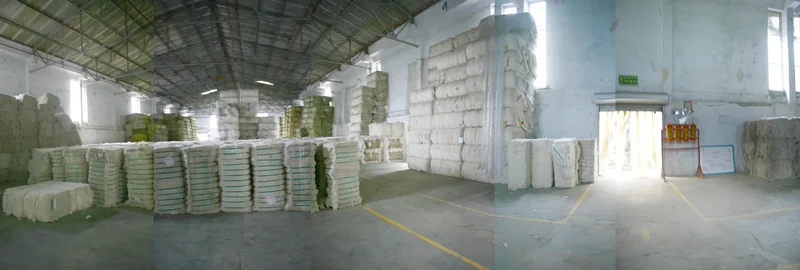
The first project / 2010
Spun explored how factory cotton waste could become yarns and hand-tufted rugs. Developed for Welspun, the project put discarded fibre back into the hands of textile makers.
Working with spinners, dyers and weavers meant taking that cotton through the decisions that make a textile: the yarn, the colour, the surface. The work began with the fibre itself.
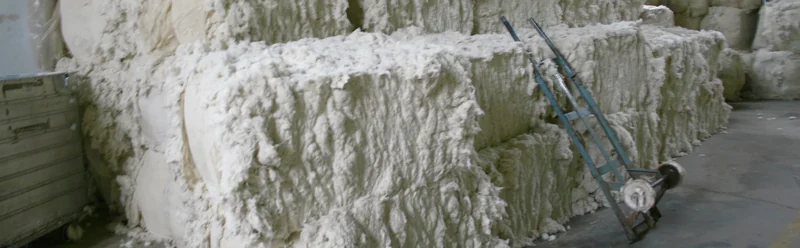
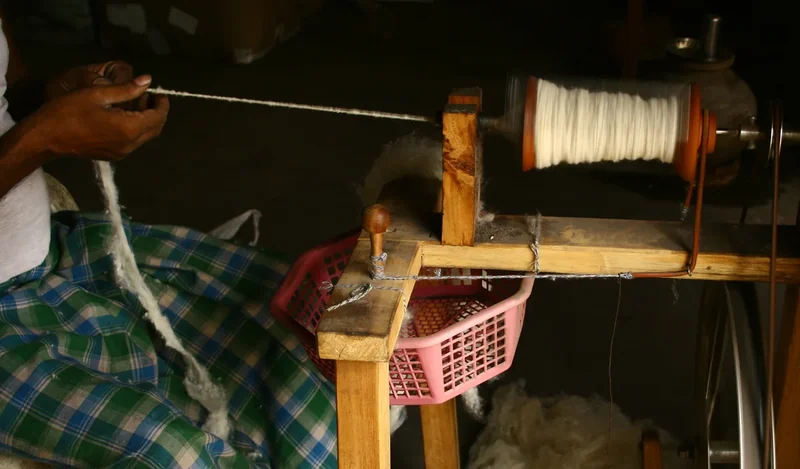
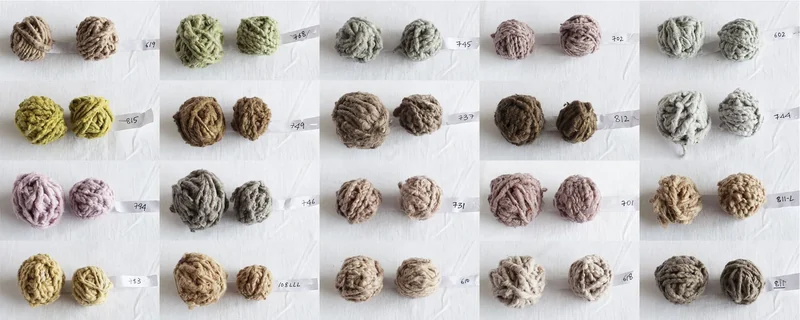
2010 to today
Sixteen years on, our relationship with cotton has moved beyond the yarn. Research with plants and living cultures changed how we approached material-making.
With Fabulose®, we now work with the cellulose within cotton textile waste, developing rolls and sheets for new applications. The early work gave us a knowledge of the fibre. The lab lets us reconsider its form.
View the Spun archiveWhy textile waste
Textiles are where Botto began, and where we are concentrating our work. India has a substantial flow of discarded textiles. Much of it is cotton-rich.
Source: Wealth in Waste, July 2022, pp. 21–22, 27. Fashion for Good, Sattva Consulting, Reverse Resources and Saahas Zero Waste. Estimates are rounded; cotton-rich includes blends with at least 50% cotton.
Read the full reportIndia already has an extensive textile reuse and recycling economy. We focus on pre-consumer cotton textile cuttings, working with the cellulose they contain.
Fabulose® takes that cellulose into rolls and sheets, with colour, finish and construction developed around the intended product.
Explore Fabulose®Inside the lab
Formulation, colour and finish are developed together, with the intended use in view.
Designers and manufacturers test the material in a construction, bringing product knowledge into development.
Consistent colour, thickness and finish matter beyond the first sample. Repeatability guides our work on rolls and sheets.
Starting materials
Our research ranges from agricultural residues and living cultures to the waste left by industry. These are different lines of enquiry, not interchangeable ingredients.
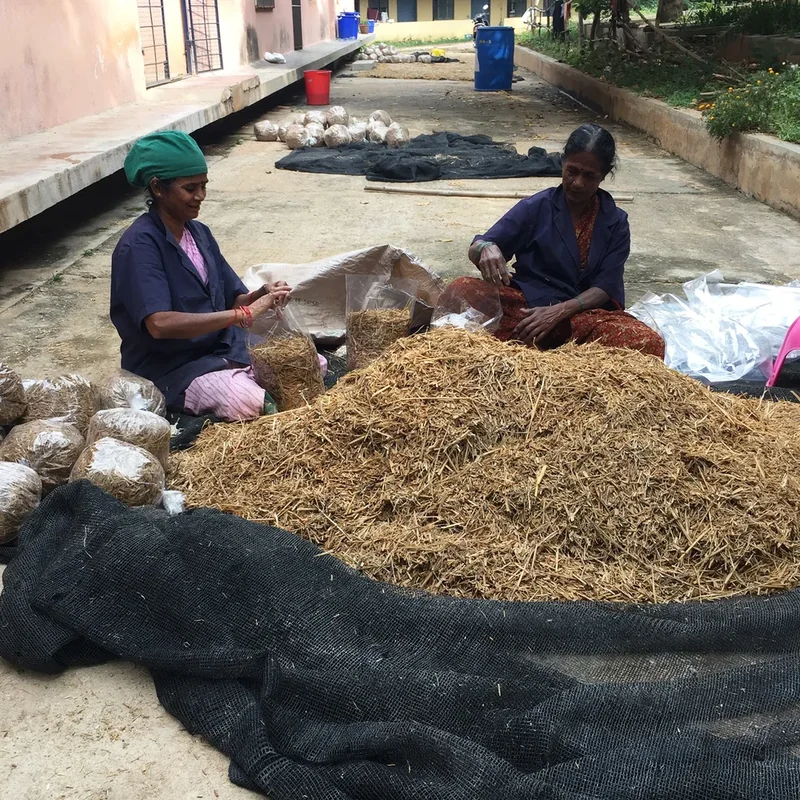
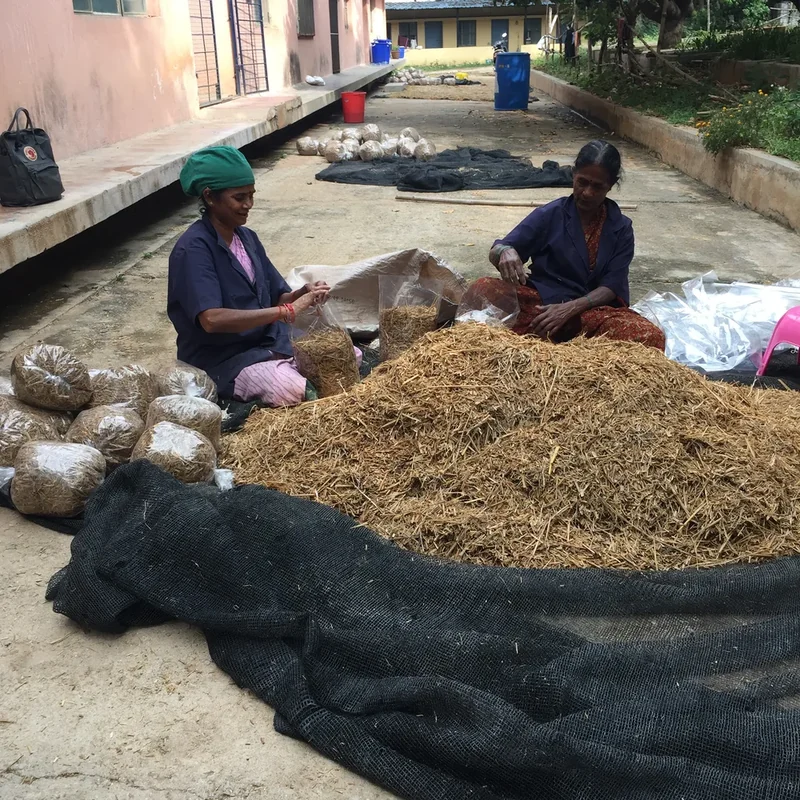
Sorghum stalks left after harvest. Bamboo fibres. We explore how the structure of plant matter can contribute to a material, rather than treating it as filler.
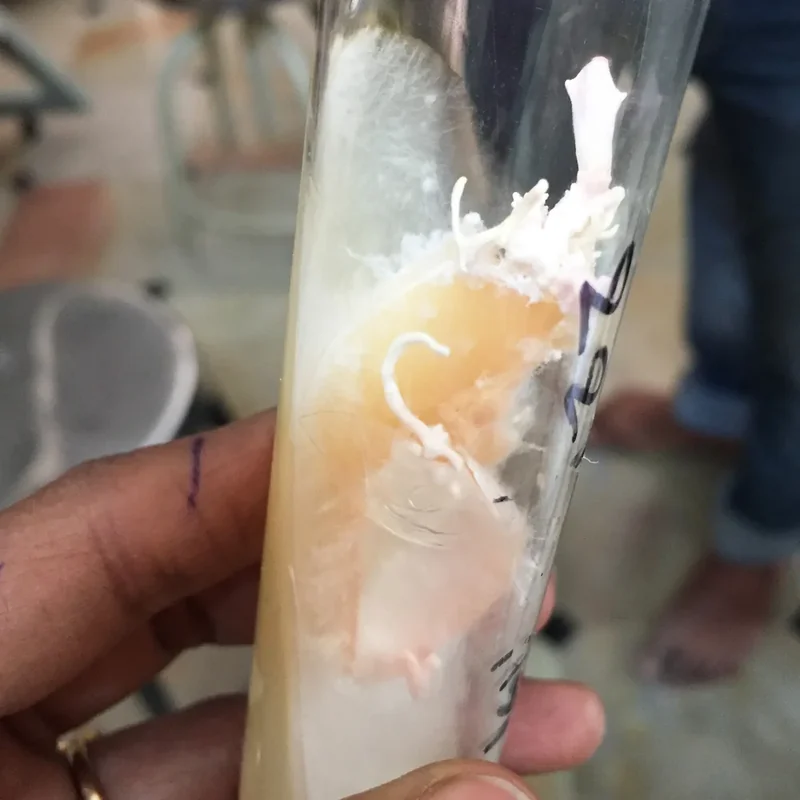
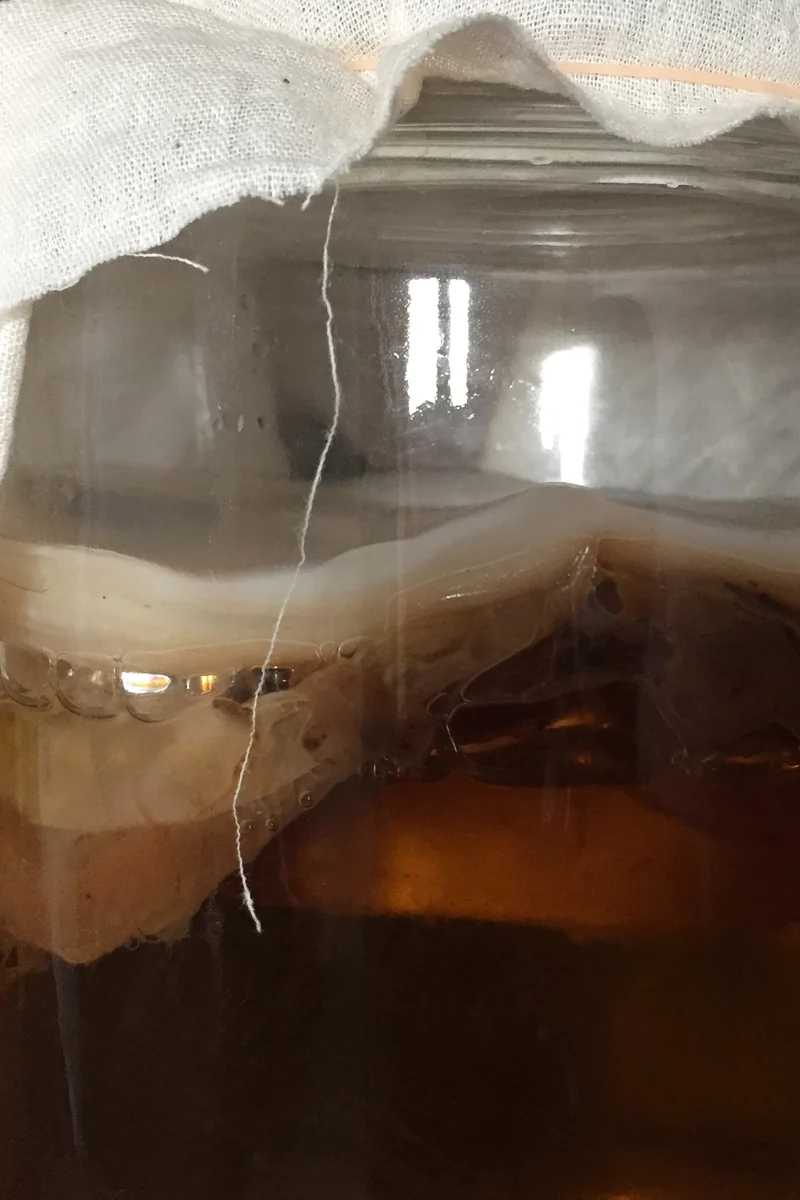
Algae, bacteria and yeast open other routes to making materials. Alongside our mycelium studies, this research asks what we can grow, not only what we can extract.
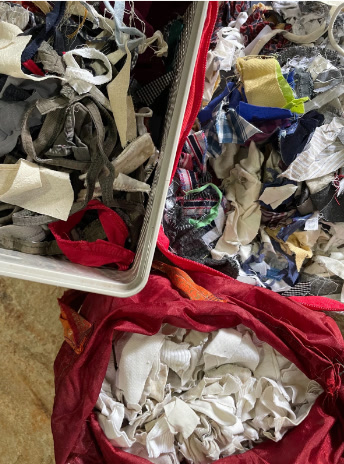
A cutting room leaves more than scraps. It leaves cotton, and cotton contains cellulose. That is the starting point for Fabulose: changing the form of a material we already have.
Since 2010
Nitya Amarnath founded Botto in 2010. Cotton waste was the starting point.
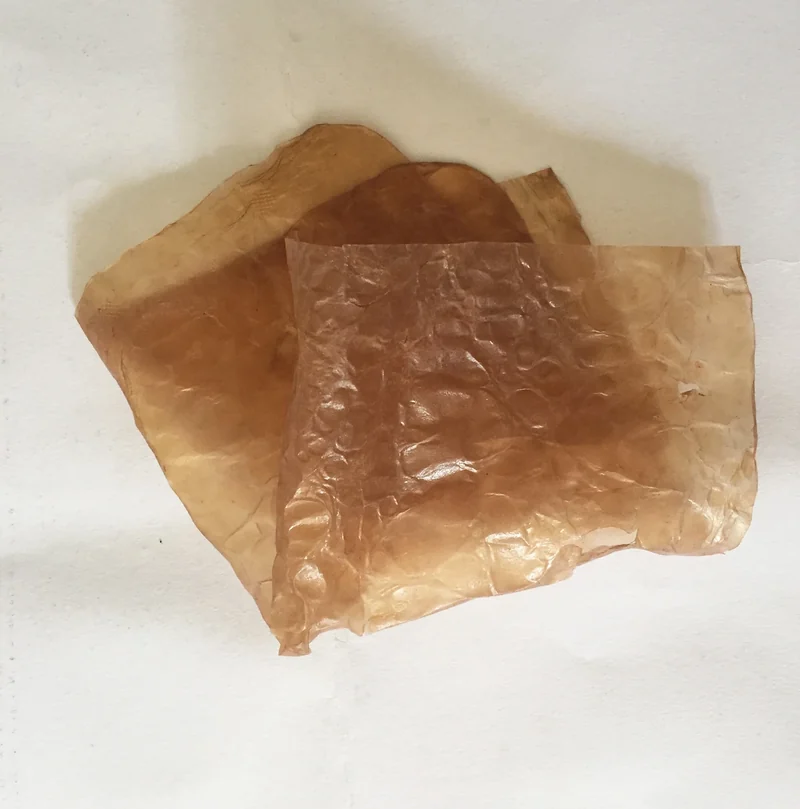
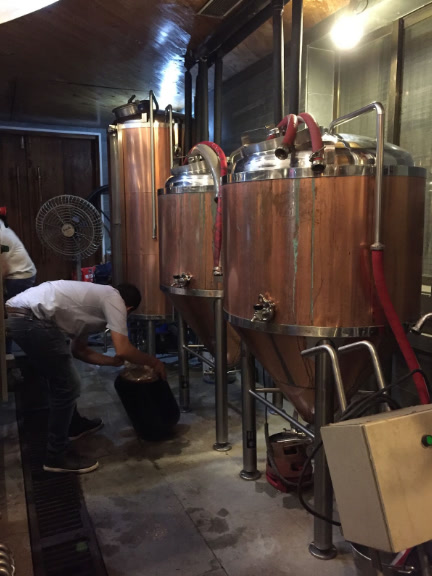
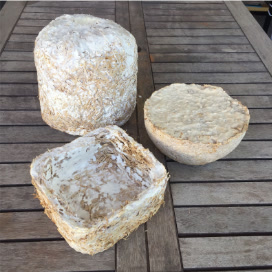
Fabulose and Insulium were shown together at Asian Paints ColourNext in New Delhi. Insulium explores insulation in architecture and product design.
About the exhibition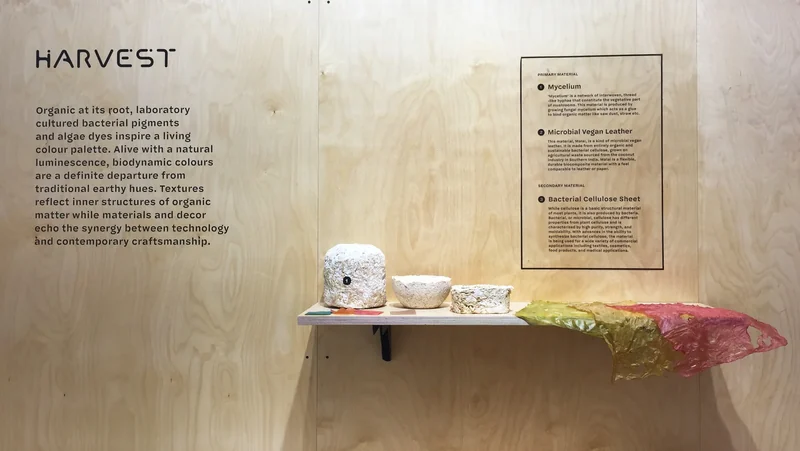
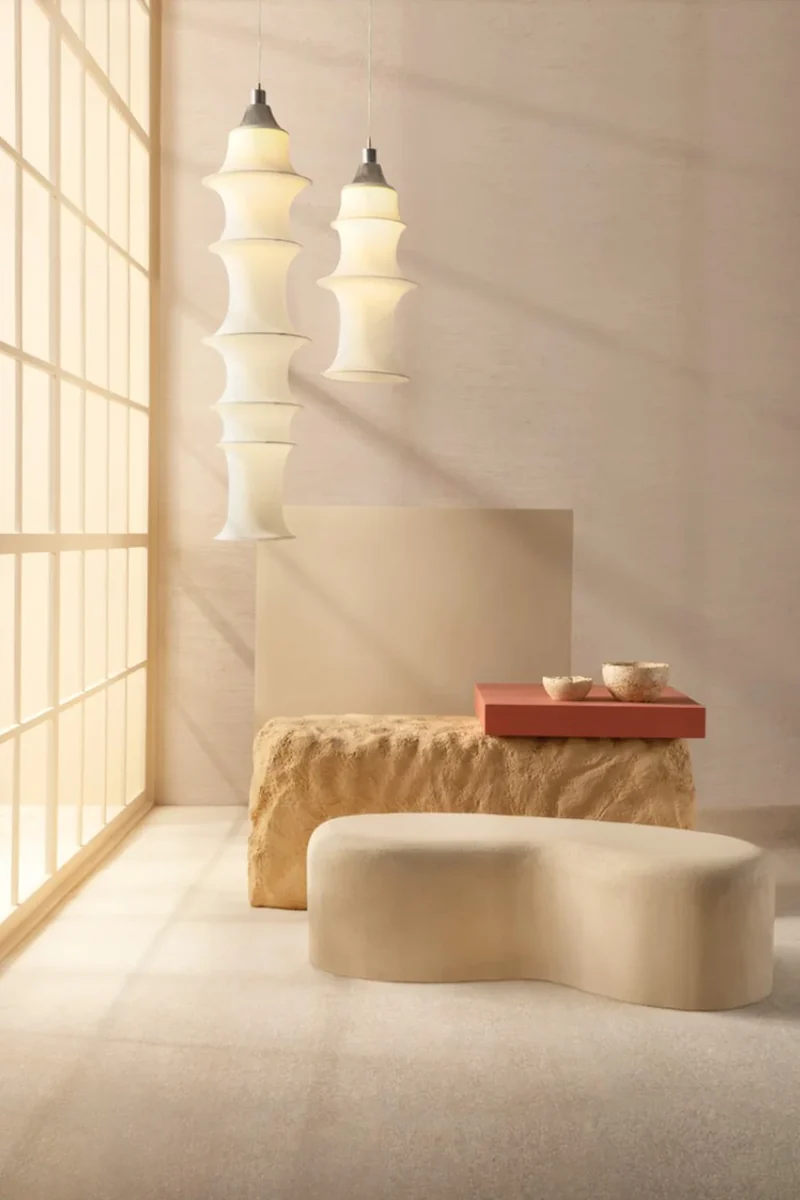
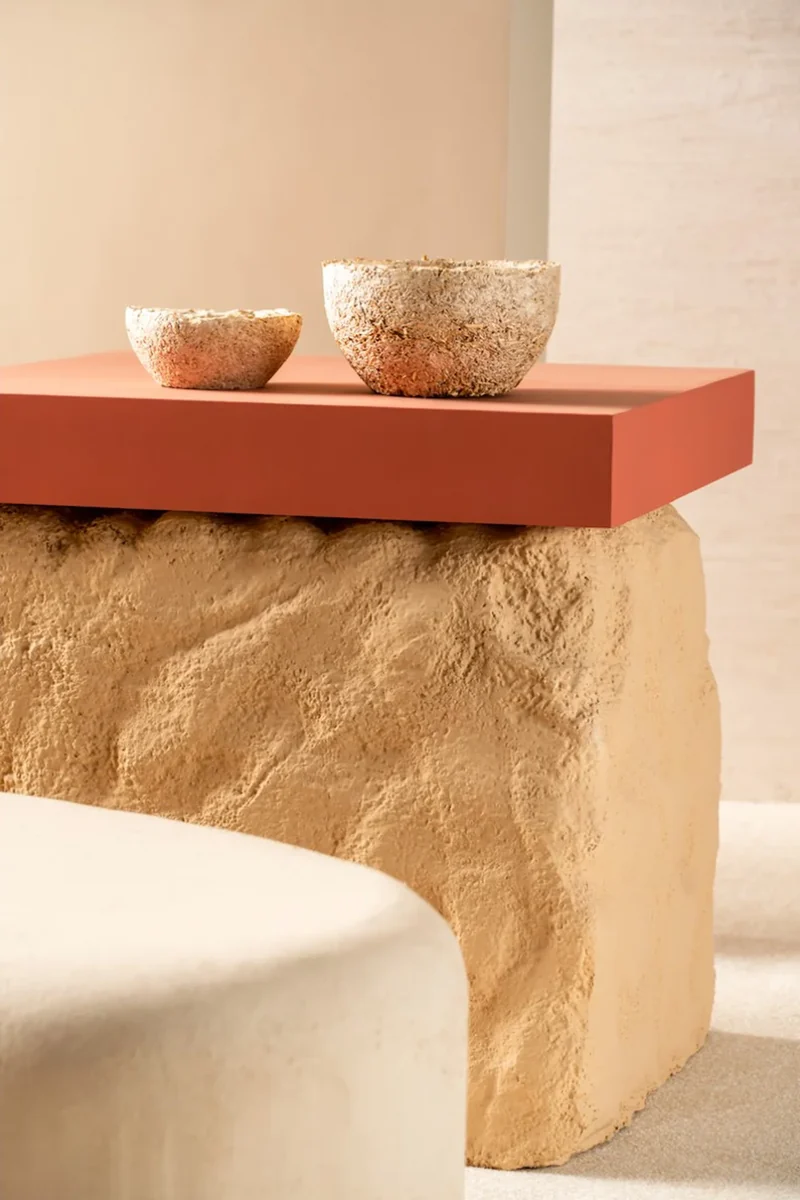
01 / 04
Images: Botto Labs
Pigment exploration in Mumbai brought together a distinct collection of more than ten algal strains, opening another line of enquiry into colour.
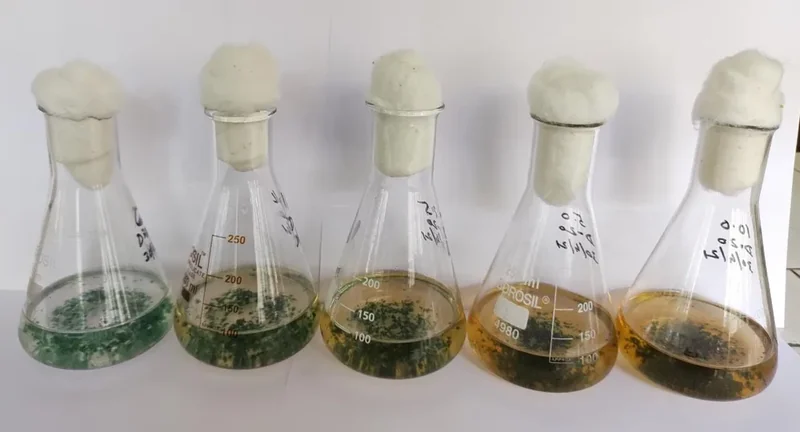
Exploration across agricultural residues, living cultures and industrial by-products broadened the research into what a material could begin with.
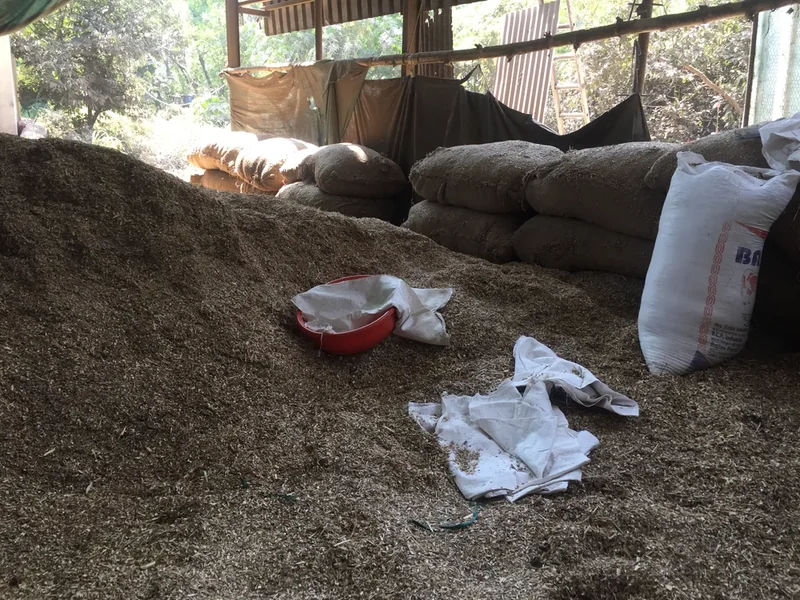
The work returned to biomaterials with a sharper focus on fashion, connecting material research with the demands of clothing and accessories.
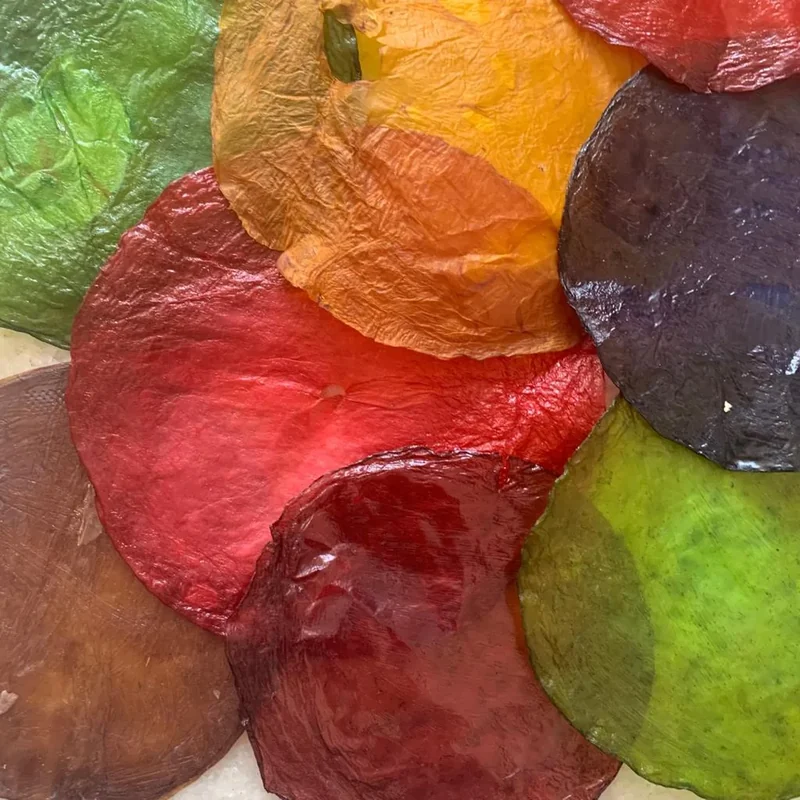
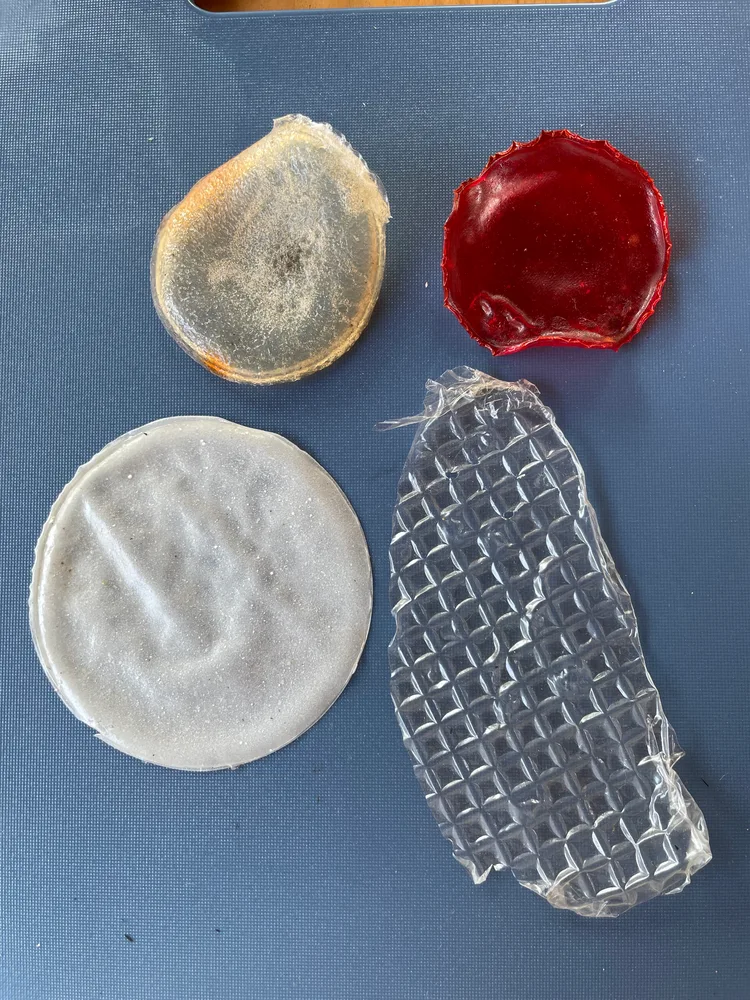
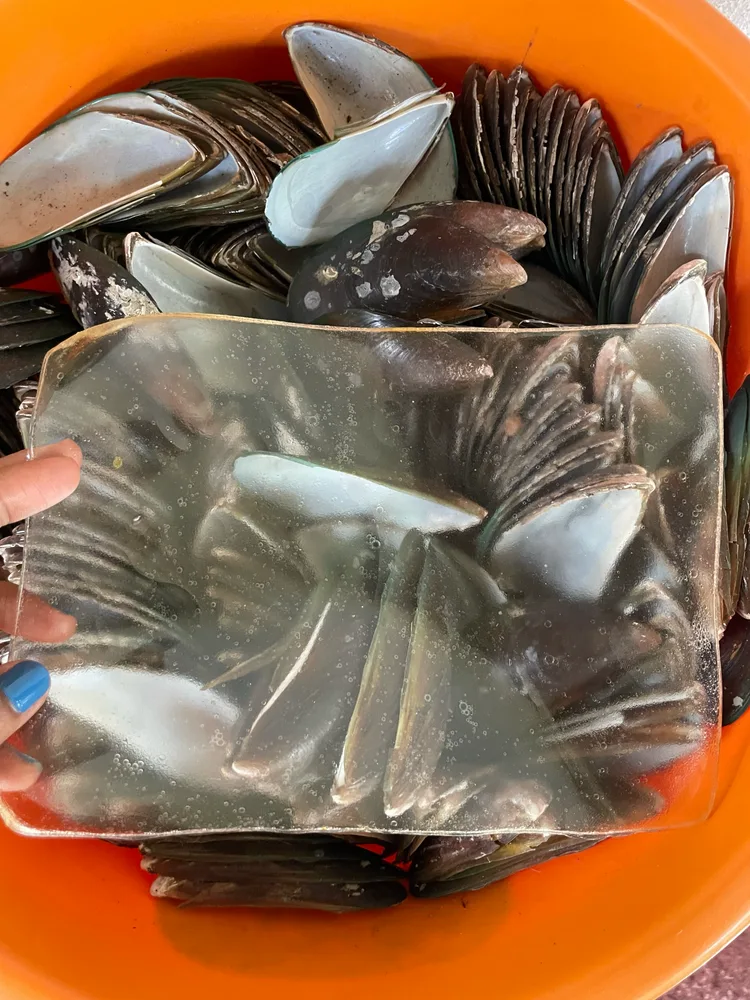
Working in Goa brought the research closer to coastal resources. Locally sourced seaweed and mollusc shells opened new directions for material development.
Botto joins The Stitch Archive and Vashishtha through New Landscapes India, taking material research to the embroidery frame and Making Matters in New Delhi.
The collaboration reaches GANNI’s autumn/winter collection and the Materials and Sustainability Pavilion at Bharat Tex in New Delhi.
Nitya joins Creative Convergence in New Delhi, bringing the lab's work into a discussion of sustainable fashion and policy.
Founder / Textile designer
Nitya Amarnath founded Botto in 2010. A textile designer with a family history of weaving, she named the practice after the Sourashtra word for fabric.
Her experience spans natural fibres, weaving, printing and work with craft communities. Today, she brings that knowledge to biomaterials research in Goa, developing new materials in dialogue with the people who will work with them.
In the public eye
Exhibition / 2019

Harvest: Fabulose and Insulium at Asian Paints ColourNext, New Delhi.
Explore HarvestExhibition / 2025

Bio-based embellishment from the lab at the Biofab Fair, London.
Read the fair coveragePress / August 2026

Nitya Amarnath on cotton waste, colour and the work behind Botto.
Read the storyIndia finalist / 2026
Botto Labs joins the eighth edition’s global cohort.
Read the announcementExhibition / February 2025
The embroidery collaboration in the Materials and Sustainability Pavilion, New Delhi.
Explore the exhibitionExhibition / 2024

Making Matters: Team Bequin at the British Council, New Delhi.
Explore the exhibitionOur next stage is to develop Fabulose® for more consistent production and wider trials. We welcome investors who want to examine the material, understand the development work and discuss how to fund that stage.